
Kruger Knowledge Hub
Expert Dehumidifier Guidance, All In One Place
From system selection to maintenance and energy efficiency, our Knowledge Hub guides and articles offer practical advice drawn from decades of manufacturing and consultation experience.
Whether you manage a large facility or a single home unit, we hope our Knowledge Hub resources help you get the most from your dehumidifier.
Explore by Topic
Guides & Articles
Practical explanations on humidity control, system selection, maintenance, and energy efficiency.
Case Studies
Real-world applications across industrial, commercial, and residential environments.
All Guides & Articles
From system selection to long-term maintenance and energy efficiency, our guides are drawn from decades of manufacturing and on-site consultation experience.
Whether you manage a large facility or a single home unit, these resources are designed to help you get the most from your dehumidifier.
- Industrial
-
Residential
- May 28, 2019 Bringing Clean, Dry Air Back Into the Home.
- Jan 5, 2026 Understanding Humidity in Singapore’s Climate.
Kruger Client Case Studies
01
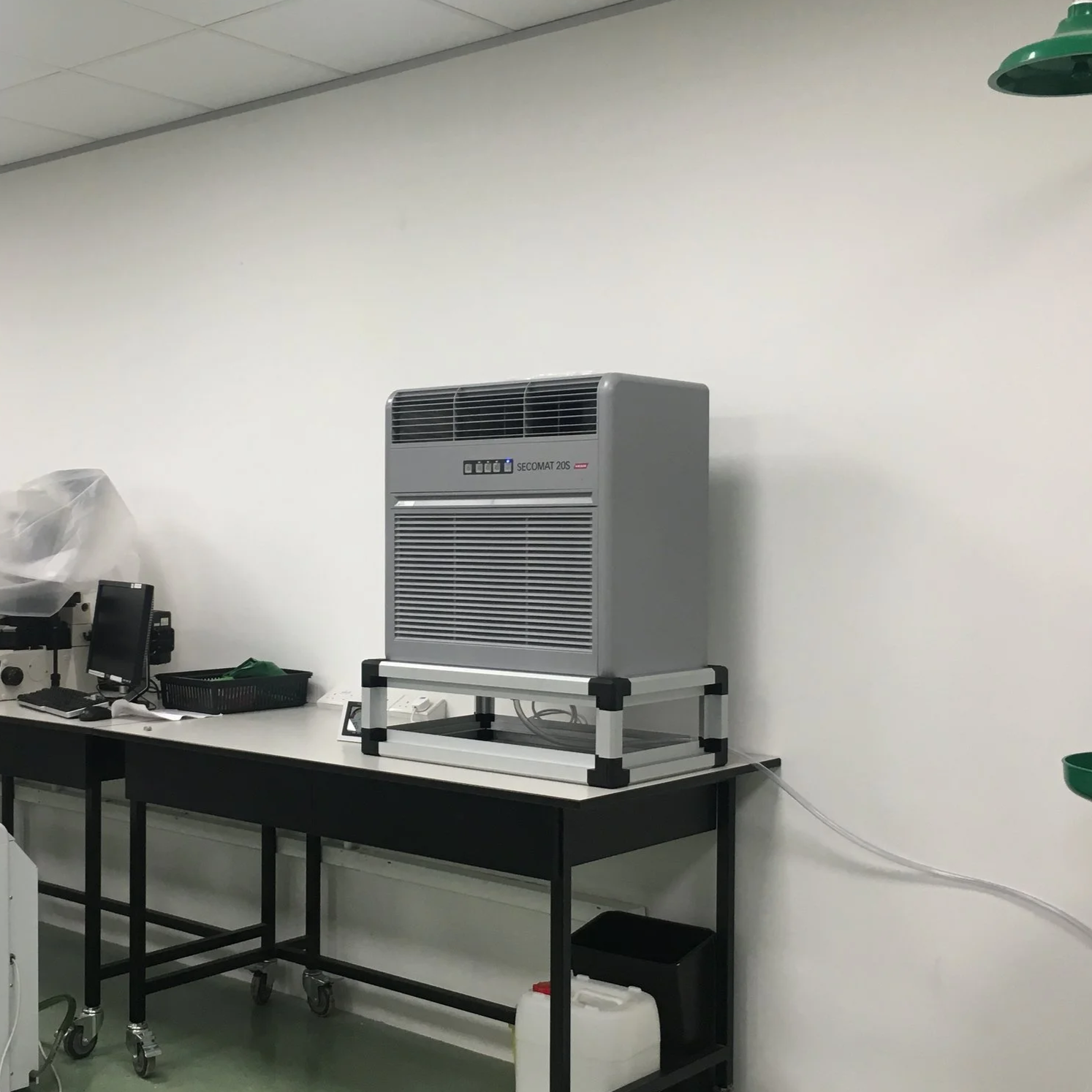
Customised KRS Series solution delivering stable humidity control for consistent laboratory processes in a regulated environment.

02
When sweat compromises indoor air quality, customer’s comfort, and equipment conditions.
03
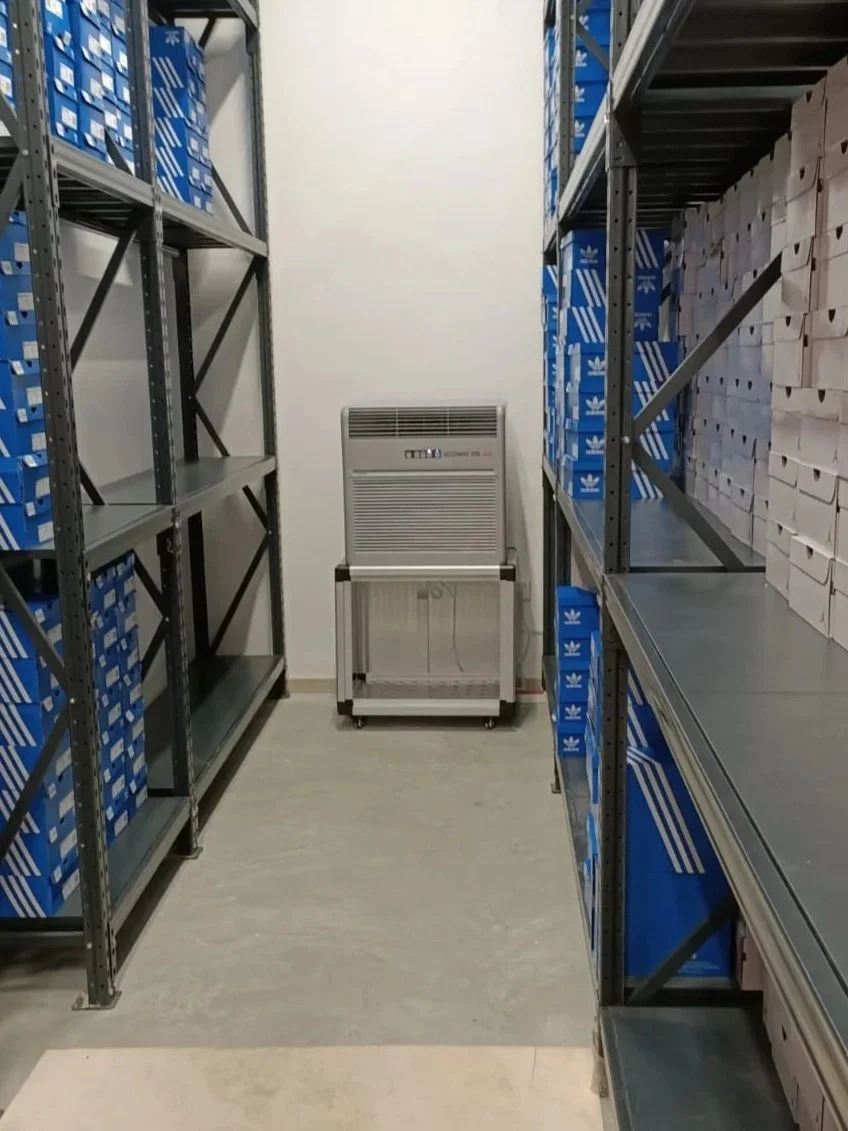
What happens when excess moisture slows production, increases spoilage risk, and constrains daily output.
04
How diagnostic insight resolved environmental instability in a precision measurement environment.
Need more advice for your specific environment?
Our humidity specialists help assess conditions and recommend the right solution.
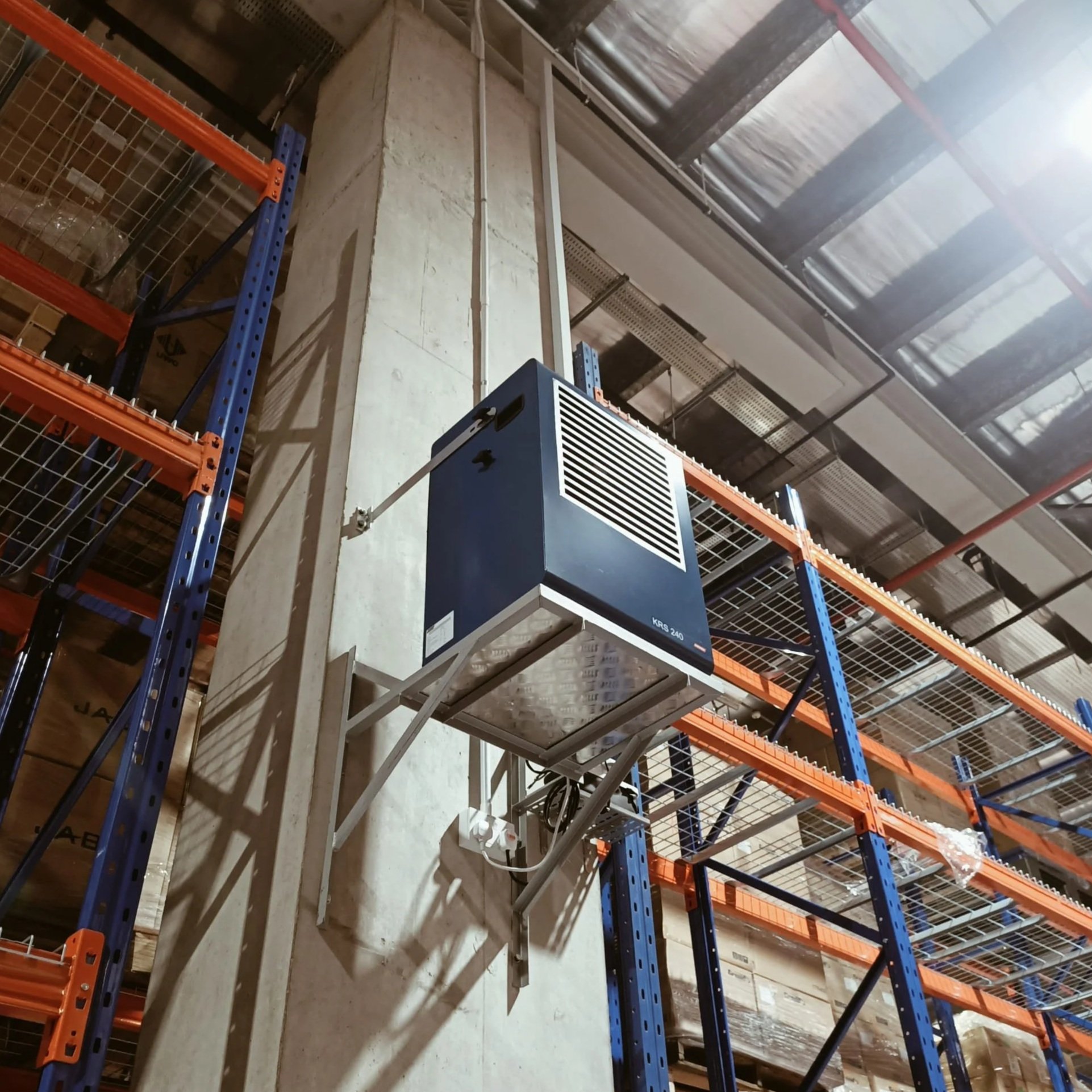
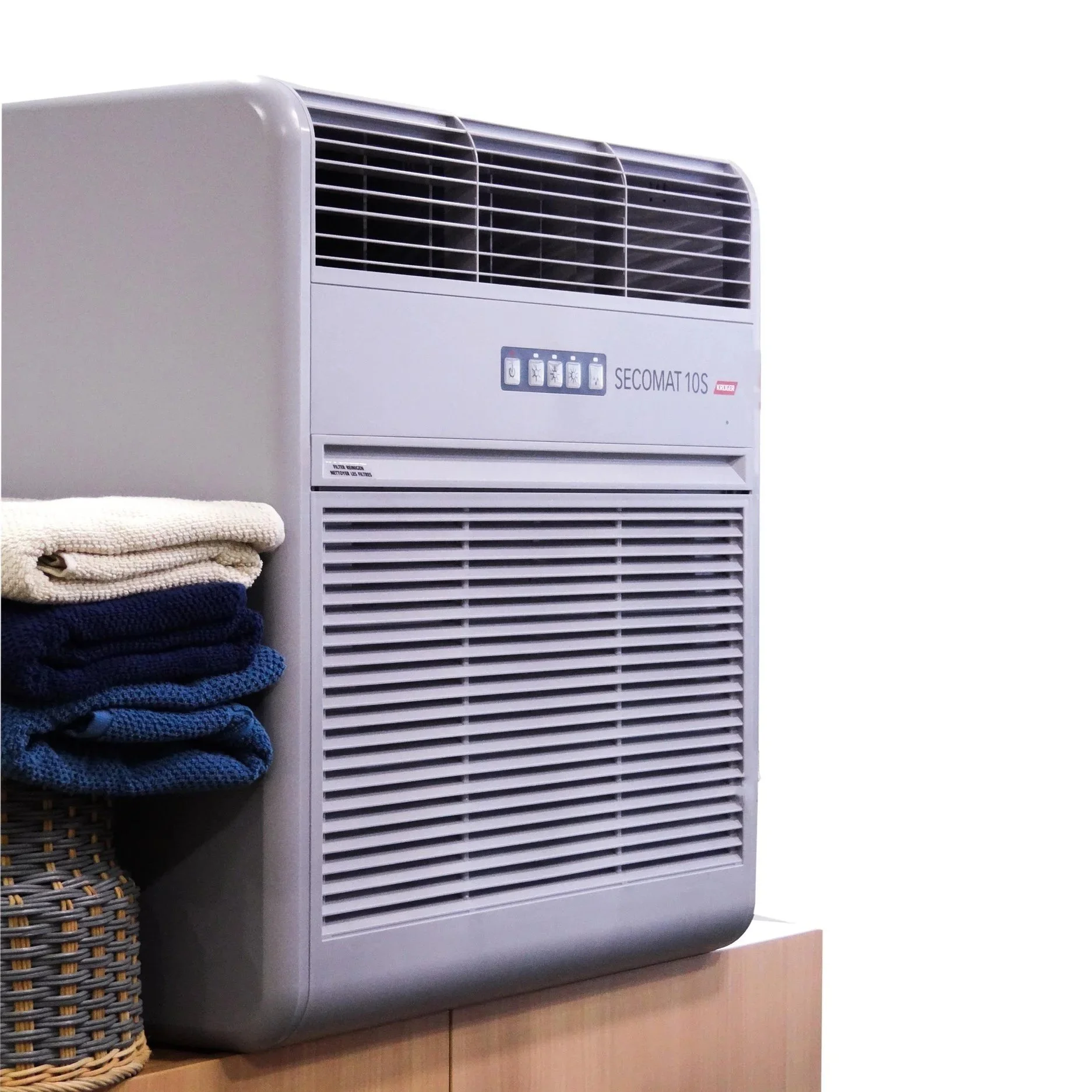
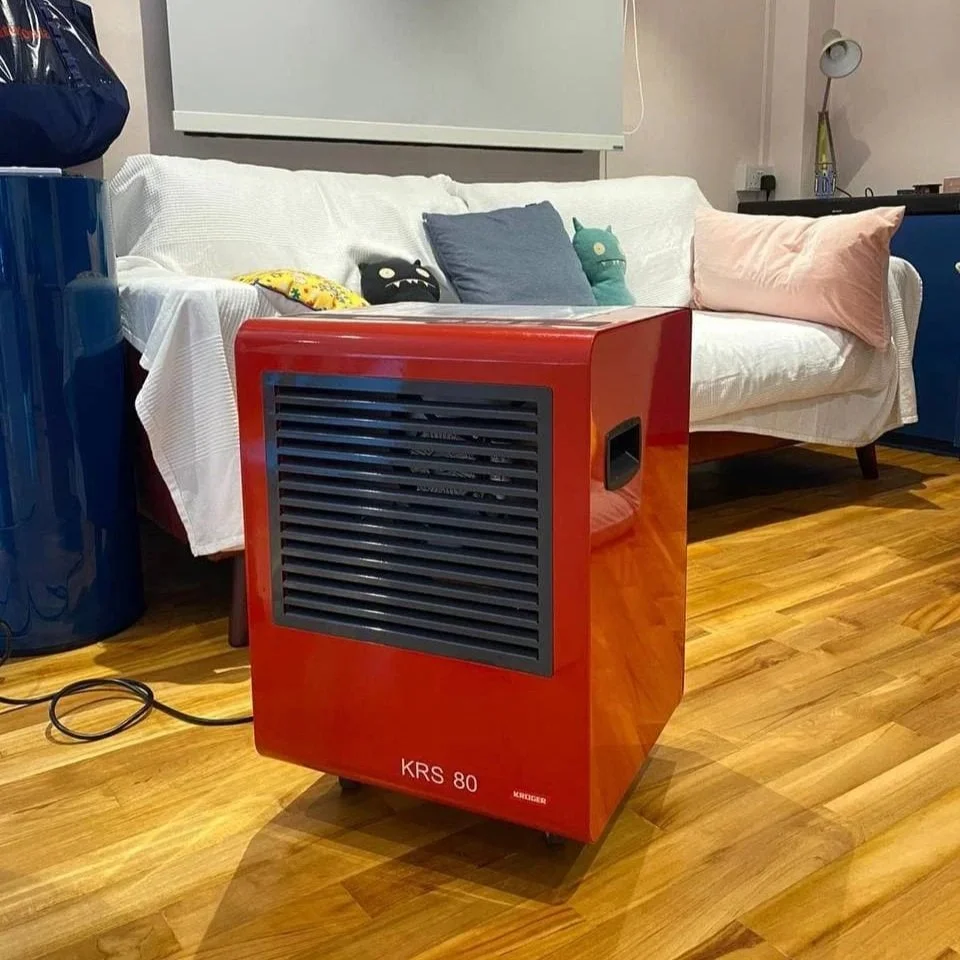
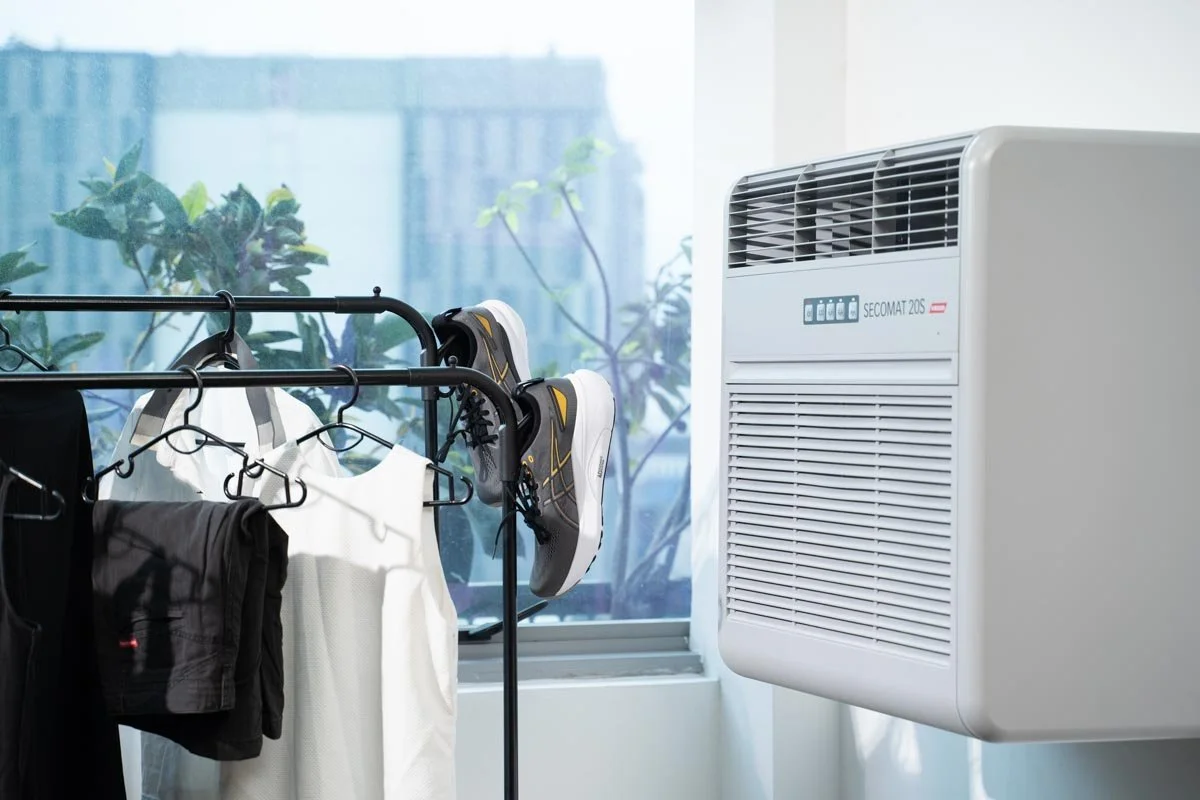
Ask Our Experts.
Have a humidity problem we haven’t answered yet? Our humidity consultants are here to help.
Submit your question or browse common topics below.
-
Humidity control depends on more than room size. Usage patterns, materials, temperature, and air exchange all matter.
Speak with our consultants to book a free humidity assessment or explore relevant case studies.
-
The primary difference is capacity.
Industrial environments are typically much larger, with a significantly greater volume of air to dehumidify. To handle this, industrial dehumidifiers are equipped with more powerful fans and higher airflow capacity, which are inherently noisier but necessary for effective moisture removal at scale.
Home applications involve smaller, enclosed spaces where quiet operation is essential. As a result, home dehumidifiers are designed to operate at lower airflow levels while still maintaining stable indoor humidity.
Industrial environments are also more challenging. Factories tend to be dustier and require equipment that can operate reliably across a wider temperature range, typically from 15°C to 40°C. For this reason, industrial dehumidifiers are built with heavier-duty components and more robust housings, prioritising durability and reliability.
Both systems are industrial-grade in construction, but they are optimised for very different operating conditions and performance requirements.
-
Filters should be removed and washed weekly. This can be done by users and is important for maintaining airflow and system efficiency.
When filters are cleaned regularly, coils typically require servicing once a year. If filters are not cleaned consistently, more thorough coil maintenance should be carried out every 4–6 months.
Service frequency also depends on the operating environment. Industrial and factory settings, where dust and airborne particles are higher, generally require coil maintenance approximately every four months. Residential environments are typically cleaner and may allow for longer service intervals.
-
Singapore’s high humidity affects both human comfort and material stability. When RH is high, sweat evaporates poorly, leading to discomfort and overheating. For buildings and equipment, excessive moisture accelerates mould growth, corrosion, condensation, and material degradation.
Effective humidity control in Singapore is essential for homes, warehouses, laboratories, pharmaceutical facilities, and manufacturing environments.
-
Kruger combines Swiss engineering expertise with full in-house manufacturing control in Asia.
Unlike many brands that outsource production, we design, test, assemble, and service our systems internally. This ensures consistent quality, long-term reliability, and performance suited to tropical climates. Our systems are engineered specifically for operating conditions across Asia.

Talk to Singapore’s Humidity Control Experts.
Whether you’re managing an industrial facility or improving your home environment, Kruger provides in-house engineering, local servicing, and expert consultation at every step.
Start with a free humidity assessment and trial unit, and experience why Kruger is trusted by Singapore’s industries and homeowners alike.